
North American and European markets maintain extremely strict rules for children’s wear export. Local regulations set hard limits for harmful chemical substances, flammability and physical safety. Qingdao Jincheng Hua’an International Trade Co., Ltd. reminds global brand clients that skin–friendly fabric and complete textile certification become basic entry tickets for kid-product retail shelvesAlibaba Se….
For United States market, CPSIA compliance covers heavy-metal content, lead limit and physical hazard testing for kids’ clothing. Every batch supplied for US retail must satisfy corresponding requirements. European Union enforces REACH regulation, restricting azo dyes, phthalates and other hazardous chemicals inside fabric, printing ink and accessories.
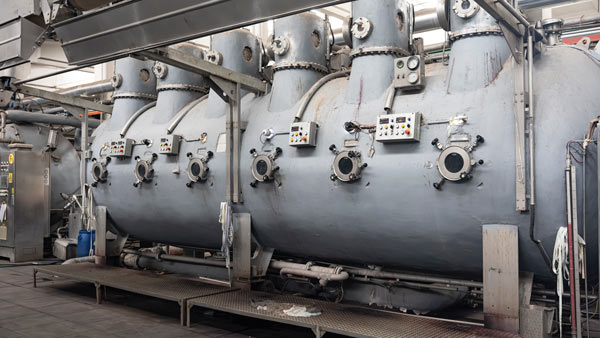
Not all soft-looking material qualifies for kid articles. Even natural cotton fabric may fail tests if harmful chemicals are used during dyeing and finishing. Reliable suppliers select dyestuff and auxiliaries complying with international standards from raw-material phase, instead of only testing finished goods after production finishes.
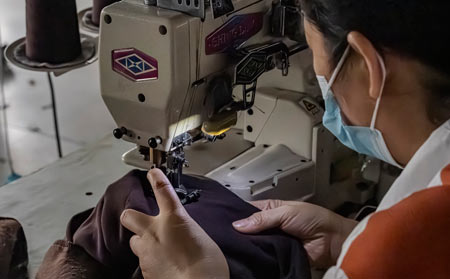
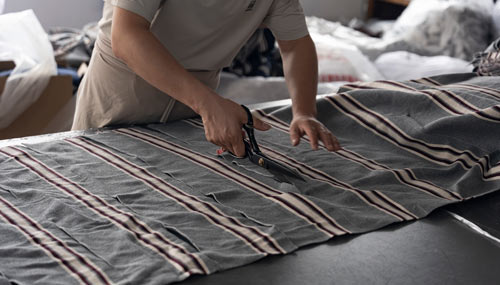
During kid garment manufacturing, factories avoid risky accessories and sharp edges besides fabric control. Print and embroidery crafts must guarantee color fastness against washing and saliva friction, because young children may bite garment surfaces.
Many new importers misunderstand certifications: obtaining certificates for one fabric batch does not mean all future orders automatically meet standards. Raw-material suppliers may change batches, so continuous monitoring for incoming fabric is necessary. Qingdao Jincheng Hua’an keeps cooperating with qualified testing labs for regular batch inspection.
Brands sourcing children apparel should clearly list regulatory requirements inside RFQ documents. Confirm whether manufacturers fully understand CPSIA compliance and REACH regulation, and ask for related test documentation. Safety non-compliance may result in customs detention, forced product recall and huge economic loss, which should never be treated lightly during global children-wear sourcing work.