
Global apparel importers keep raising standards for fabric performance as cross border retail competition intensifies. For Chinese garment suppliers like Qingdao Jincheng Hua’an International Trade Co., Ltd., selecting stable knitted fabric has become the first checkpoint to avoid mass production defects and customer complaints. Many overseas buyers overlook fabric batch variation at early sampling phase, only facing large scale color difference, shrinkage or pilling problems after bulk goods arrive at destination warehouses.
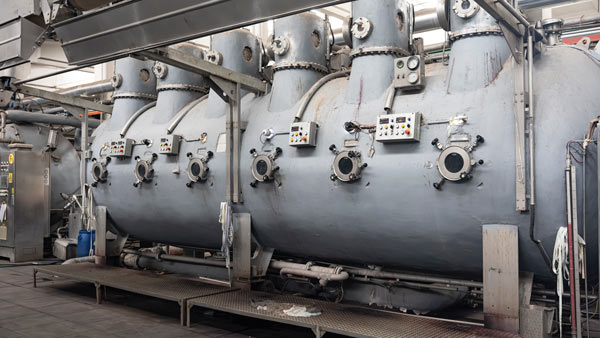
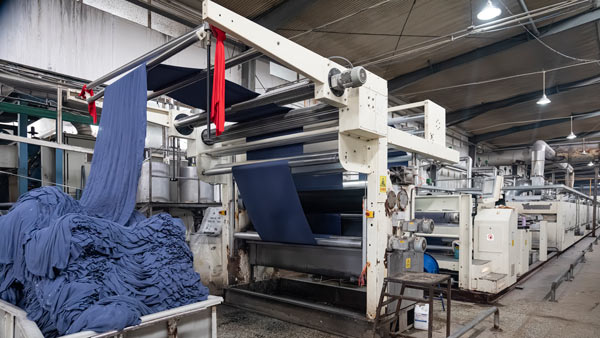
Reliable raw material sourcing builds the foundation of finished goods stability. The company cooperates with certified local textile mills to lock yarn specifications, dyeing formulas and finishing parameters before formal bulk orders. Every fabric batch goes through lab tests covering shrink rate, color fastness and fabric weight. This strict procedure guarantees quality consistency across thousands of finished pieces, especially critical for kids’ wear and casual knit apparel.
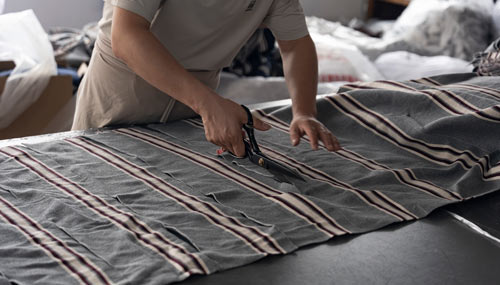
In modern garment manufacturing, fabric inspection cannot be skipped even with trusted suppliers. Before cutting workshops receive fabric rolls, internal teams check for weaving flaws, oil stains and uneven printing. Bad fabric rolls will be returned directly instead of flowing into sewing lines. Such front end control greatly lowers rework cost during later production.
As an experienced supplier supporting textile export to North America, South America and European markets, Qingdao Jincheng Hua’an understands that sampling fabric is not equal to bulk fabric. Many new sourcing clients make mistakes by approving sample swatches without confirming bulk supply capability. Under OEM production modes, the factory shares full fabric test reports together with pre production samples, helping foreign brands reduce sourcing risks.
Buyers today care more about traceability than low price alone. Transparent fabric documentation helps importers satisfy local market compliance rules. Sourcing teams should focus not merely on unit price, but also fabric lab reports, mill audit records and batch to batch stability. Long term win win cooperation always starts with qualified fabric control rather than fast order confirmation.