
Metal fragment contamination from broken sewing needles creates huge safety risks, especially for children apparel targeting US and European consumers. Strict final-stage needle detection and manual garment inspection form the last safety barrier before shipment, explained by technical team from Qingdao Jincheng Hua’an International Trade Co., Ltd. for international buyers.
Broken tiny needle pieces may hide inside seams, collars or pocket corners. If undetected, these sharp metal fragments can hurt end consumers and trigger product recalls, heavy fines and brand reputation damage. Many importing countries enforce mandatory export compliance requirements: finished garments must pass metal detection before entering retail markets.
Inside the factory workflow, every completed piece passes through automatic conveyor-type detectors. When metal foreign objects are sensed, the machine raises audible alarms and stops conveyor belts instantly. Workers isolate problematic goods for full manual check. This quality control procedure applies to all product lines including knit hoodies, T-shirts and kids casual sets. No finished goods skip this procedure regardless of order size.
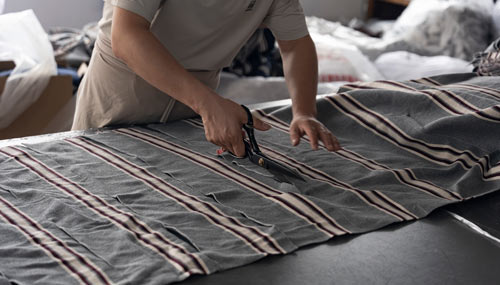
Machine screening cannot replace human work fully. After needle detection, experienced workers carry out visual garment inspection, checking stitching quality, print defects, fabric damage and accessory installation. For children apparel, inspectors pay extra attention on small detachable parts which may cause choking hazards.
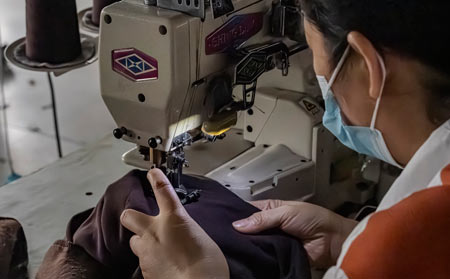
Qingdao Jincheng Hua’an emphasizes that product safety cannot be only treated as final-step work. Broken-needle management rules run through the whole sewing phase: operators must record every broken needle, collect all fragments and apply for new replacement needles. This prevents leftover metal pieces from entering production flow at source.
More and more overseas retailers require factories to provide inspection records during supplier verification. Sourcing brands should confirm whether potential manufacturers implement complete metal-detecting workflows rather than only reading marketing introductions. Safety compliance directly decides whether goods can smoothly clear customs and reach end-market shelves.